Episode 15: Do we have to fit in?

April 1, 2013

"If you don’t have the courage to step out of your comfort zone, you will not lead. So I don’t view that as a male or female thing." - Kathy Caprino

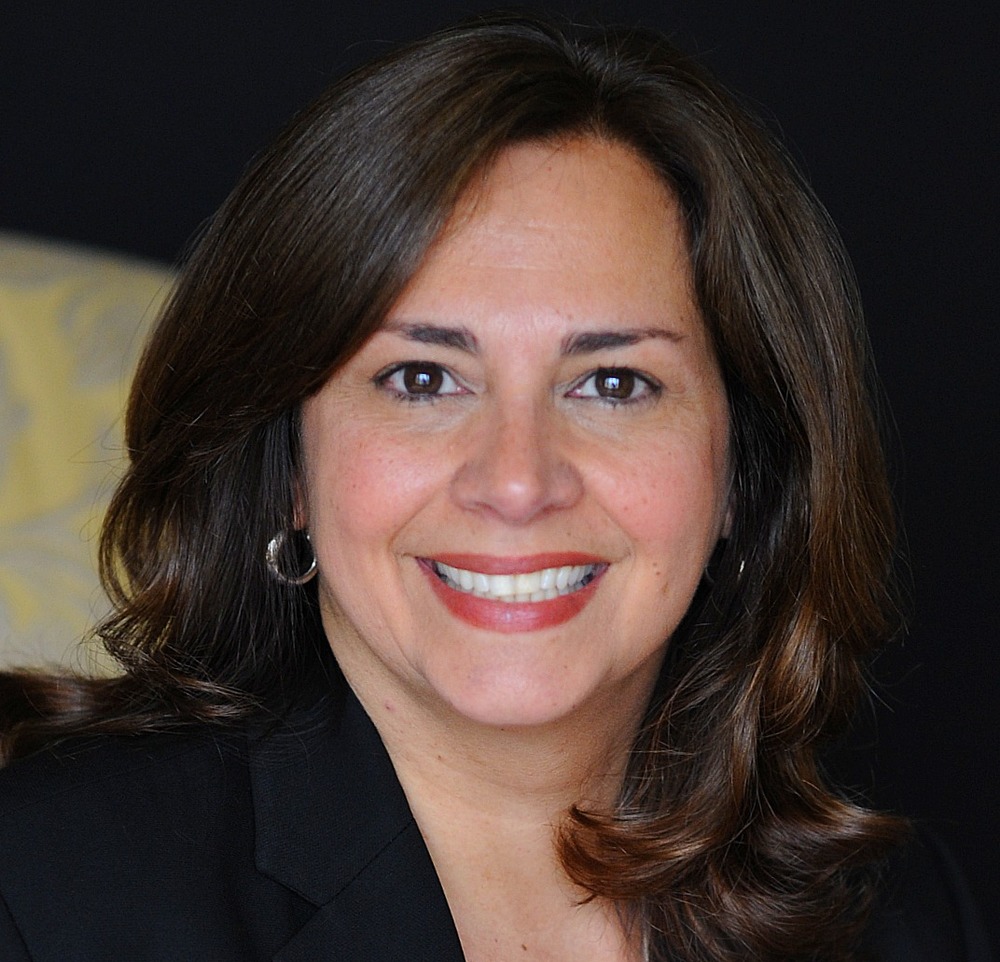
This has become a big point of contention for many women - the idea that to do well at work we have to fit in to company culture, instead of the company bending to accommodate itself to the way we do things. In the first part of the show I talk to career coach and Forbes writer Kathy Caprino (above). I interviewed Kathy for a print piece more than a year ago, and as soon as I started doing The Broad Experience I knew she'd be a great guest. She's been through it all - the corporate job from hell (that she couldn't quite leave), complete with workplace drama galore, the reinvention-that-didn't-work - and finally found her niche as a career and leadership coach for women. We talk about whether women are really 'fixing ourselves' if we do things the Sheryl Sandberg way, and the extent to which corporations need to alter their inner workings (a lot).

In part two I meet a representative from one of those big corporations, the multinational consumer goods company Unilever. The company has just been honored by Catalyst for its progress in getting more women into its leadership pipeline all over the world - and believe me, it's doing this in some very interesting ways. Can you imagine a company attracting women in the west by cozying up to their parents? Tune in to hear all about this, and more. 17 minutes.

Show notes: Kathy Caprino's book on women getting their careers and lives back is Breakdown, Breakthrough. For more on women and the workplace in India, this recently published piece in the Harvard Business Review has some good information.

You can read more about the details of Catalyst's award to Unilever here

Oxfam's 'Behind the Brands' report can be read here

Episode 14: When it's too hard to leave

March 18, 2013

daniellepixely.png

Everyone loves Etsy, right? If you live or work in creative circles, you are at the very least aware of this popular online marketplace for hand-made stuff. Danielle Maveal (left) felt really lucky to work there, relishing her role as liaison between Etsy and its many sellers. But eventually she was itching to move on. Except she couldn't bring herself to leave. She's far from the only woman who has wrestled with this. Tune in to hear more about why women stay in jobs longer than men.

rsz_whitneyj_carolinecook.jpg

And in part two of the show we meet Whitney Johnson, former Wall Street analyst, investment firm founder and current dream-wrangler. We talk about some of the research in her book, Dare, Dream, Do, and how she made the transition from music major to secretary to equity analyst. 16 minutes.

Show notes: Terri Boyer is executive director of the Center for Women and Work at Rutgers University. During the interview we began discussing this study from Pew Social Trends. The study found that young women in the US are now likelier than young men to put a high priority on having a career that earns them good money. Terri was arguing that these findings suggest that women may soon lose the tendency to stick in jobs longer than men for all the reasons we discuss during the episode. I'm a bit skeptical, though. I think it's easy to reply to a survey stating your intentions or wishes, harder to actually carry out those intentions. We know women are prey to strong social and cultural influences, from expectations about how they should behave to norms around who does the housework. We need to change more than our intentions to earn good money before we'll be switching jobs as often as men do, and upping our salaries in the process.

Episode 13: When women ask women for a raise

March 4, 2013

In this show we look at women and negotiating, but from an angle I'd never thought about until recently. What happens when a female employee asks a female boss for more money? Many women claim female managers recoil when they ask them for a raise. Why? And we return to the topic of women in technology. Why do so many women who work at tech companies perform 'emotional labor' roles rather than technological ones? 14 minutes. 

Show notes: here's the full story behind Ashley Welde's attempts to get a raise from her female managers (including details of who finally gave her a raise, un-asked). One thing I couldn't fit in the story is that Ashley's experiences have put her off female bosses. She prefers men because she believes they are likelier to advocate for her. Forbes Woman contributor Susannah Breslin feels the same way about male bosses, though for different reasons. Thoughts?

Sara Laschever is co-author of two books on women and negotiating and travels throughout the US giving workshops and talks on this topic.

Here's the piece in Dissent magazine about ex-Facebook worker Katherine Losse and the culture of Silicon Valley, which got Lauren Bacon thinking. Losse's book is The Boy Kings. And here's Lauren's blog post, 'Women in Tech and Empathy Work', which spurred our conversation.

Episode 12: Women of Kenya

February 3, 2013

Africa is becoming a continent of entrepreneurs, and a lot of them are women. Most of these run 'micro businesses' selling fruits, vegetables or consumer goods at roadside stalls, but when I was in Kenya last month I spoke to two energetic entrepreneurs operating in the formal economy. These are the types of business owners the World Bank says Kenya needs more of if the country is to reach 'middle income' status by 2020.

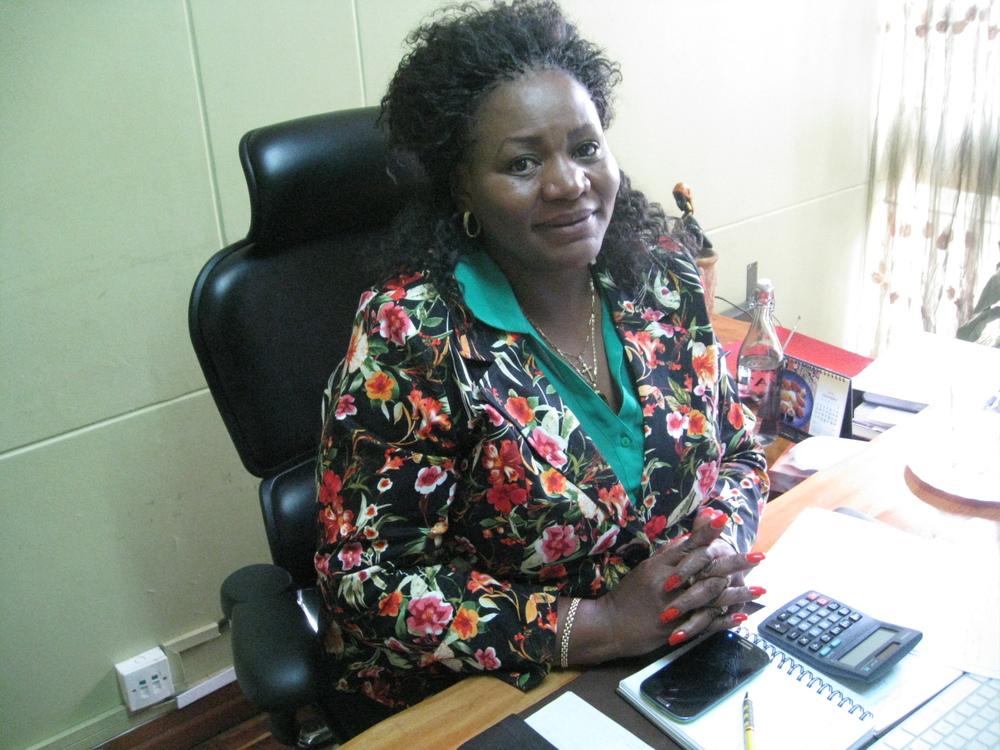
Tune in to hear event manager Lydia Kaindi (above), who has firm opinions on what's going wrong with Kenyan men while its women soar, and film producer Mercy Murugi, who works with young people in Kenya's, and probably Africa's, largest slum. 12 minutes.

Anyone who wants to know more about Kibera should read this wonderful piece on a day in the life of this sprawling Nairobi neighborhood.

Episode 11: Women of a Certain Age

December 13, 2012

What happens to your career as you get older? We know the few female CEOs out there are mostly in their 50s and above (with the exception of the wildly famous and fertile Yahoo CEO Marissa Mayer). But for many women life at work takes on a different dimension as you age and deal with other people's perceptions of what 'older' means. So what do you do about it if you still love your career and want to stay in the game? Tune in to hear Leah Eichler, editor of Femme-o-nomics and r/ally, energy industry executive Gail McMinn and Financial Times columnist Mrs. Moneypenny discuss women, employment and age, and why it's never too late to change careers. 

You can read Leah Eichler's Femme-onomics and Globe and Mail column on women and age at work here, and take a peek at Mrs. Moneypenny's book on women's careers here.

Episode 10: Selling Stereotypes

November 15, 2012

In this show we look at how women come across in the media and how that affects the way we think about ourselves and what we might do with our lives. Did you know women only have 30 to 40 percent of speaking roles on TV and in movies? And when women do have a voice, we're often not exactly sparkling on the conversation front (but you can be pretty sure we'll be wearing a low-cut top). Thanks to the Tow-Kight Foundation for sponsoring this episode. Tune in to hear cable TV pioneer Kay Koplovitz, women from the Spark movement, veteran activist Gloria Feldt, Jennifer Pozner, author of 'Reality Bites Back' and reality TV producer Troy DeVolld thrash through the issues. 18 minutes.

If you'd like to follow up on any of the studies and articles I mentioned in this episode (and one I didn't), here are a few links:

Forbes Woman: Why Millennial Women Do Not Want to Lead

Women's Media Center 2012 report on the state of women in the US media

Kaiser Family Foundation study on young people and media use

Geena Davis Institute on Gender in Media study on gender roles and occupations in the media

Girl Scouts Research Institute survey on how reality TV affects girls aged 11-17