Episode 24: Women in tech speak up

August 5, 2013

"The truth is that women face a different judgment from the audience than men do, and a lot of women know that."

- Chrys Wu, co-organizer, <Write/Speak/Code>

If you follow the tech space maybe you read this post last year, which really did the rounds on social media - How I Got 50% Women Speakers at my Tech Conference. The fact is, it's very difficult to get a decent number of women speakers and panelists at a tech conference. Women are a minority in the technology space to begin with, and they're far less visible in the industry than men - not just because there are fewer of them, but because the ones there are tend not to become 'thought leaders' (i.e. write and speak publicly about the industry and gain a huge following in the process) or contribute much to open source software projects. 
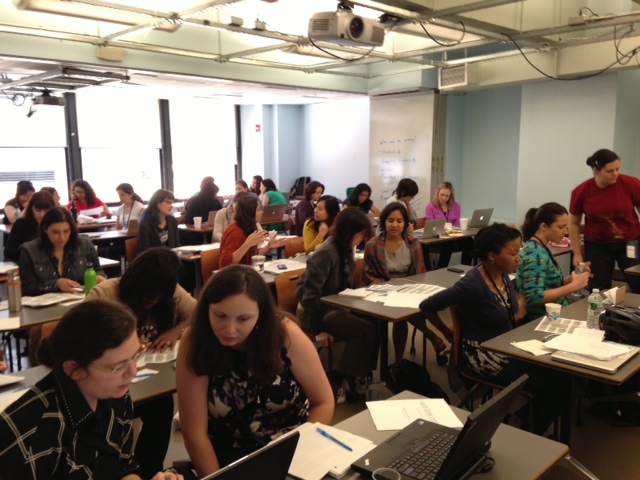
Attendees study speaking materials on public speaking day at Write/Speak/Code

But it's not just women in tech who don't 'put themselves out there'. Let's face it, no matter what women do for a living, they're far less likely than men to feel comfortable in any kind of spotlight. The Write/Speak/Code conference set out to change that. Tune in to hear three different voices discussing

  • Why women have trouble saying what we think in a professional context
  • Why it's hard for women to claim expertise (and how to get over that)
  • The importance of speaking in public
  • Bluffing 
  • Why being referred to as a 'woman in technology' is incredibly irritating

 10 minutes. You can read the full transcript for the show below.

TRANSCRIPT:

Welcome to The Broad Experience, the show about women, the workplace and success. I’m Ashley Milne-Tyte.

This time, we drop in on a conference aimed at women in technology. In an early episode of the show we talked about how few women work in technology and why. But for those women who are pursuing careers in tech…it can feel lonely out there. Relatively few women are out in public writing blog posts or op-eds about their subject, or speaking at conferences. Lots of men are doing both.

“The truth is that women face a different judgment from the audience than men do, and a lot of women know that. And they’re not necessarily eager to put themselves up on a stage where the first comment or the first thought amongst the audience is, why are you even up there, what do YOU know?”

Coming up on The Broad Experience.

Earlier this summer I dropped in on a conference for women technologists. It was held in New York and it was called Write/Speak/Code. The idea was to make women in tech who want to be a bit more visible in their industry comfortable with publishing pieces about what they do, speaking in public, and contributing more to open source software. Rebecca Miller Webster is a software developer and it was her idea it was to put on this conference. She told me open source software is a bit like Wikipedia, the online encyclopedia, in that anyone can contribute – in this case, they’re contributing code. So why do so few women add anything to open source projects?

“I think there’s a lot of reasons for that…I think the biggest one is that people find it very intimidating, you know, your code is in the open, people see it, they can comment on it, so we’re sort of trying to address a lot of that because at Write/Speak/Code we believe all of these women can speak and contribute to open source so how do we get them to take those next steps...obviously there are systemic reasons for why women don’t participate more, but there are personal reasons as well – we’re socialized not to speak out, you know, as women in tech we’re already sort of an anomaly so you often don’t want to completely draw attention to yourself,  and all of those sorts of things, so we’re trying to address those more personal, emotional reasons.”

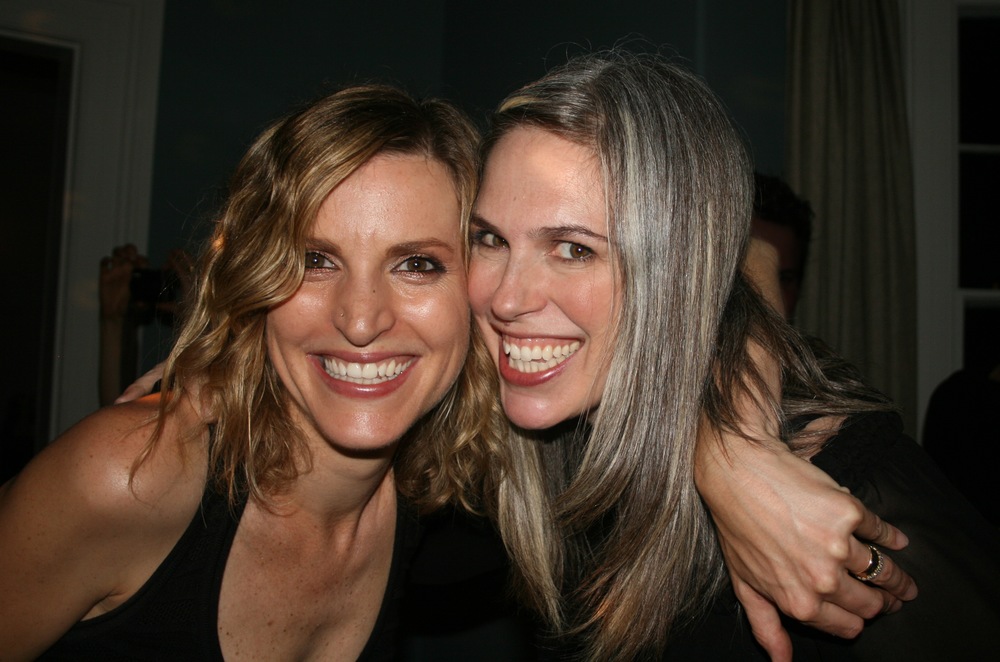
I also sat down with Chrys Wu, a co-organizer of the conference. Chrys is a journalist, a coder, and she founded the Hacks/Hackers group in New York, which gets web developers and journalists together.

AM-T: “So could you just expand a little bit on why the women who do work in tech are not very visible?”

“Because there are a lot of reasons it’s a little bit of a hard question to answer. Sometimes the conferences are looking for big names and of course the big names tend to be people who are more senior in a company, which isn’t necessarily a lot of women. Women on the whole don’t make up a lot of the developer population, period. It’s just a ratio thing. It is a big hurdle to overcome. That said there are a lot of women who are working who are not necessarily at the C level or at the director level but know a lot. So the hard part then becomes finding them, just looking for them. That’s one thing…another is…we’re going to need to pause, gather my thoughts…

AM-T: “I know it’s a really multi-faceted beast…”

“It really is…but another reason why you probably don’t see a lot of women speakers is that women on the whole are not really encouraged to come and stand up on stage for example. Um, I mean the truth is that women face a different judgment from the audience than men do and a lot of women know that…and they’re not necessarily eager to put themselves up on a stage where the first comment or the first thought amongst the audience is going to be why are you even up there, what do you know about being an engineer or being a coder? That doesn’t happen everywhere but there is sometimes that perception, so there are women who just don’t want to put themselves in that position. The third thing is there are plenty of women who are really, really smart, have a lot of experience, who know their subject, but just are afraid of public speaking just like everybody else. “

 Fade into sound of class taking place]

 “…sometimes they’ll ask for reviewers’ notes and this is usually where you have an opportunity to say, ‘I think I should talk about this because I’m qualified, this topic is timely, things like that, so especially if you’ve never talked before this can be a really good opportunity to sort of let the reviewer know what your motivations are…”

[Fade out]

I told Chrys Wu that when it comes to talking or writing, it seems so much harder for women to put a stake in the ground regarding our beliefs – whatever we do for a living.

AM-T: “That seems to be something that in general men are better at just putting themselves out there and saying I think this…and, they don’t have any qualms about putting their opinion out there in the world, whereas women are much likelier to sort of second guess ourselves and think, well who am I to say that or do that?”

“Yeah, for sure. And that’s one of the things that we’re helping these women overcome. And it’s not just through the workshops. But you know this morning - today is our speak day, it’s all about public speaking and we had a panel of four women developers who answered that very question. And they said you know, honestly, like, men bluff it all the time – as a woman, we tend to be more modest in our thinking…

AM-T: And a bit more purist, like…I can’t bluff it – you can’t bluff things!”

“Exactly, exactly, but the truth is that what you need to know to give a talk or to write about something is to assimilate the information and be confident about what you’re talking about. In the case of public speaking they were saying even if it’s something you just learned, the fact you now know it it gives you the authority to talk about it and explain it to other people.”

“Sounds simple but for a lot of us feeling like an expert on something was part of, I guess part of the journey we were trying to get through at this conference…”

That’s Aimee Simone – she’s a software developer at a tech startup in Orlando, Florida, who came up to New York for the conference. She says the instructors actually had the women practice stating that they were an expert in something, out loud, in front of the class. They had to say their name, what they did for a living, and then finally say what they were an expert in and why.

“It was hard for people to say that they were an expert in anything. That was something we had to say a few times with help from the instructors. So that was what contributed most to my confidence level when I left.”

She is an expert in Ruby on Rails, a programming language.

Whether she likes it or not.

Part of the reason Aimee came to Write/Speak/Code was to improve her speaking skills…although she’d already taken the plunge and spoken at a big Ruby on Rails conference earlier this year – Ruby on Rails is a programming language.

So how did that feel?

“Oh, I was terrified. Afterwards though I felt like I was floating on a cloud. I was just so happy, partially that it was over, because the couple of weeks leading up to it were pretty stressful…”

As they tend to be when any big event looms. She’d always thought, maybe I’ll speak at a conference someday…

“Which, some day is a dangerous phrase because it usually doesn’t come. I didn’t trip and fall on my face, and I remembered everything I was going to say. Some people even came up at the end to talk to me. It was really different – a really different experience being on the other side of the conference presentation.”

One she hopes to repeat with the skills and confidence she acquired during Write/Speak/Code.

Finally, I asked Chrys Wu about something that bugs a lot of women in technology – being spoken about specifically as…women in technology…

“I mean personally I struggle with this a lot as well, this notion of OK, so you’re a woman, you’ve got to be out there and be an example, pave a path and all this other stuff… It’s just, but why, you know? [laughs] I do this because I like it and not because of my gender. Obviously I recognize that I’m a woman and other people do too, but I don’t want people to think about it in the context of oh, a woman did this, which somehow makes it weird and different. So I kind of do fall into that category of women who work in technology who are just like, I’m normal.  Right, exactly, I just happen to do this: focus on my work and not the shape of my body or my gender. But that said, because I am, I’m also a non-white person, right? I also understand the need and the historical importance of people who are not the norm putting themselves out there and taking whatever comes, both the bad and the good.”

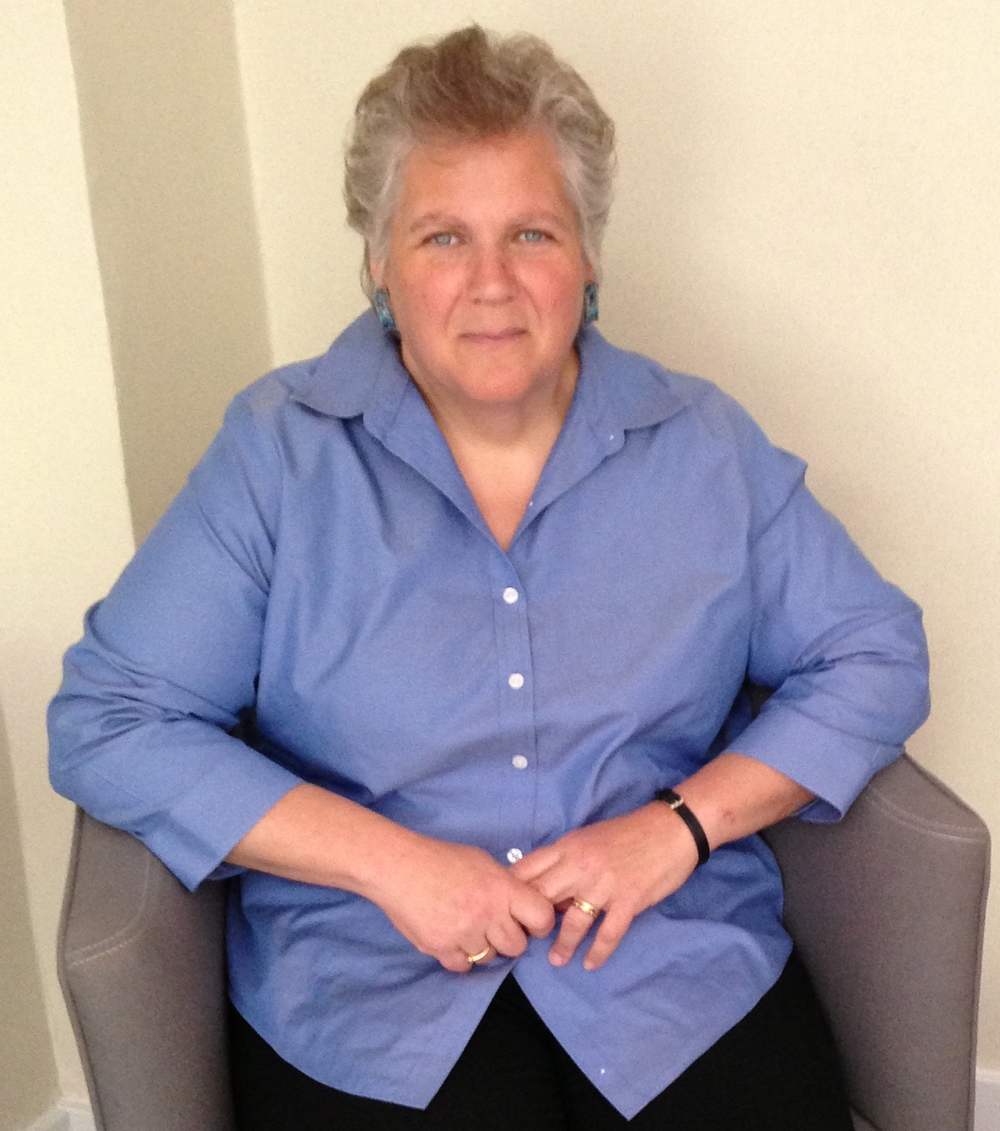
Chrys Wu, who helped organize the Write/Speak/Code conference.

That’s The Broad Experience for this time. You can comment on this episode at The Broad Experience dot com or on the show’s Facebook page.

The Broad Experience is supported by the Mule Radio Syndicate, which hosts a whole collection of podcasts, including Here Be Monsters, Running from the Law…and Everything Sounds.

This will be the last show for a few weeks – I’m taking a break to do some teaching and to work on gathering interviews for new shows. I’ll see you in September.

I’m Ashley Milne-Tyte. Thanks for listening. 
Episode 23: Tips for success from a CEO

July 22, 2013

I'm starting a series called Tips for Success, and this first episode features a candid conversation with Monique Nelson, CEO of UniWorld Group, a multicultural advertising and marketing agency based in Brooklyn, NY. It was started in the late '60s, making it the oldest such agency in the US, and Monique became CEO last year.

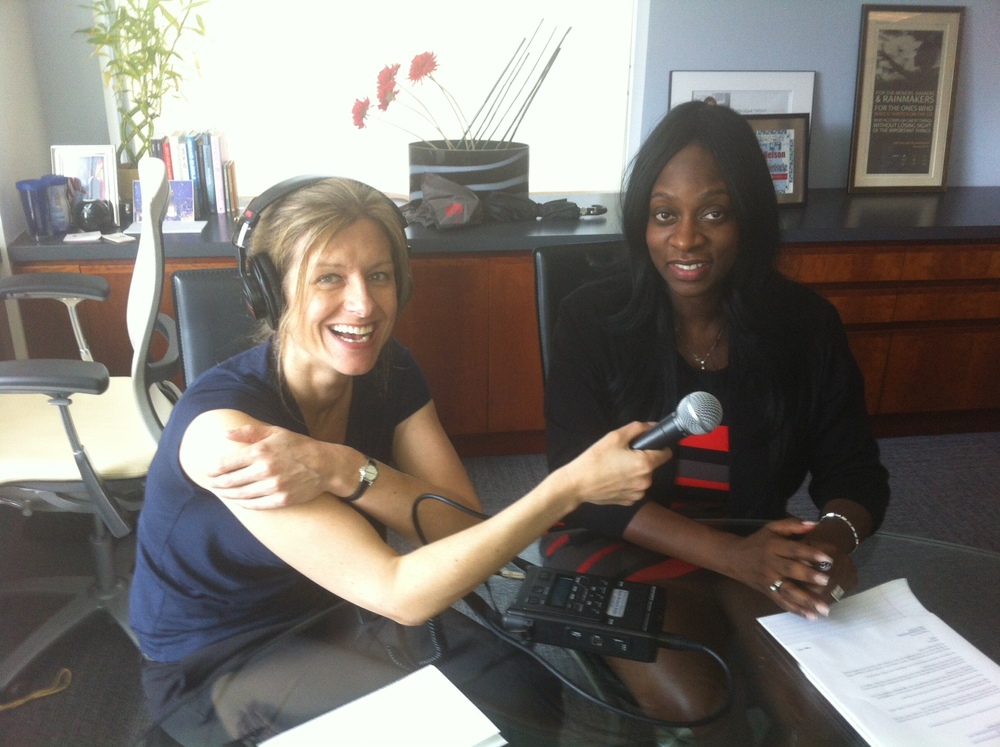
AM-T (l) with Monique Nelson (r). That's the recorder that ate most of our first interview.In the interview Monique talks about

  • Making mistakes - lots of them - to learn and get ahead
  • The advantages of being on more of a 'jungle jim' career track than the traditional ladder
  • Speaking up for yourself at the office
  • The importance of mentorship and sponsorship
  • The part race plays in her everyday life and work
  • Keeping an eye on Yahoo's Marissa Mayer, and being a pregnant CEO herself 

I hope you enjoy our discussion. I loved it. 18 minutes. Please comment and/or share using the buttons at the bottom of this post. You can read a full transcript of the podcast below.

TRANSCRIPT:

Welcome to The Broad Experience, the show about women, the workplace and success. I’m Ashley Milne-Tyte.

This week, the start of an occasional series I’m calling Tips for Success. We all define success differently but I think most of us would agree we don’t hear enough from regular women who’ve done well professionally one way or another. Now I’m in the position of working for myself I’m even more eager to hear advice and best practices from smart, thoughtful women who’ve made strides in the workplace.

I can’t imagine running a company, but I am fascinated to hear from women who do – particularly when they’re as relatable as my guest today. The vast majority of CEOs are white men. Monique Nelson is neither. She’s the CEO of multicultural advertising agency UniWorld Group, based in Brooklyn, New York. She’s in her late thirties, she was born and brought up in Brooklyn, a much loved only child. She says her mother could tell right from when she was little that she’d be running something one day. Some of her confidence comes from her parents, I’m sure, but attending the High School for the Performing Arts may have helped as well…for those of you of a certain age, yes, that’s the high school were Fame was set.

What I enjoyed so much about talking to Monique is that she’s really candid – I don’t have a lot of experience hanging out with heads of companies but I doubt that many CEOs would give the advice Monique does – make mistakes.

MN: “I make ‘em all the time – every day, I try to limit them as much as I can. But I find I learn much more from my mistakes than I do from my successes, and there’s nothing like doing something and fixing it as you go on - and the type of work we do, it’s not scientific, it’s a lot of creativity. It’s a lot of trial and error. I don’t think you can be afraid to make a mistake in my line of business in particular. And as a leader I think it’s really important because if you get too caught up in perfection, I think you miss excellence.”

AM-T: “And that’s interesting because, I mean I like that because I think people, and certainly women, don’t hear that enough about that, we’re too busy trying to be perfect.”

MN: “Yeah, perfection is a really great aspiration, and I’m not gonna tell you I don’t spend every day trying to be perfect, but that’s a hard, hard thing to do, and ultimately if you know you’re gonna strive for perfection, that next level ain’t bad.”

Also she says, don’t get despondent when things just don’t seem to be going your way. I think a lot of women, myself included, are inclined to take setbacks to heart…

“Keep going, there’s always something else. You never know what’s around that corner. The old adage of when a door closes a window opens, I find that in an odd way people blocking their blessings you don’t necessarily know it’s not for you. I know that feeling of want. I was watching something on TV, this young lady didn’t get into the school of her dreams, Stanford, Harvard, one of them, and I felt so bad for her because she couldn’t even see past, that, she was probably going to get into somewhere else that was going to be amazing for her…and she was so devastated she couldn’t even get her mind round, OK, it’s not for me, I’m going to make the best of [it]. I felt like saying listen, that’s not the end of the road. I couldn’t have charted this path for myself, even if I tried. I mean there are nights where I definitely go, how did I get here? But I got here because, one step in front of the other, I knew what I wanted but I didn’t necessarily know where it was coming from.  And I just kept working hard, making my wishes known and getting better. Ultimately I arrived at an opportunity that I could capitalize on. And it clearly was for me.”

Note what she says about making her wishes known – this is one of the most important aspects of getting what you want career-wise, according to Monique. You can’t expect people to read your mind. Also, though, Monique knew what she wanted – she knew she wanted to get to the top, to be in charge. She says sometimes she’s asked an employee what they want and they’ve gone blank – but if you can’t articulate it to yourself she says you can’t expect your boss to know what to do with you.

Monique got to be where she is today after many years at Motorola, the mobile phone company. But she didn’t spend all that time climbing a career ladder – at one point she moved onto a rather un-traditional ledge. She made a sideways move to become a senior colleague’s executive assistant.

“We talked through kind of what I saw myself being in the future and I wanted to be a leader, a boss in layman’s terms, and he said, well, if that’s really what you want to do, I would offer you an opportunity to work with me as an executive assistant and you could shadow me. We could work together. And I took it. A lot of people thought I was crazy to take it, ultimately they thought it was a step back. I thought it was an opportunity to see up close things I wouldn’t have seen any other way. And he really granted me access to a world that even today I take with me just about everywhere, just having understanding what that C-suite talks about, what they discuss, what’s important to a company, and certainly a company as large as Motorola, was really quite an eye opening experience.”

AM-T: “I’m just going play devil’s advocate here because we do live in a very fast-paced culture here in the US, particularly in New York where we’re speaking…you’re going have people, people who may think of dong some kind of lateral move, you’re going to be judged - with you, people thought you were crazy…that pressure can be kind of tough for some people to withstand, they start to doubt themselves, ‘Have I done the right thing?’”

MN: “Wow  - yes, of course, I think you have to be sure of yourself. I didn’t know what I was doing when I look the job. I would be crazy if I said to you, yes, I’d be a CEO within ten years, of taking that job. No. It was my gut, it was talking to people that I really trusted. And honestly the guy that offered me the job, I held him to everything he offered. It was carte blanche, it was having access, it was being unfettered, it was being able to get everything out of it that I absolutely could and he kept his promise and so did I.  So I went in with some very clear goals as to what I wanted to achieve in the time that I was with him and when you make that choice you must be really clear. I wouldn’t take it under advisement to do that frivolously.  I think you have to be really thoughtful about what that means to you and what that means to your long term goals.”

AM-T: And I think you also said he held your feet to the fire, right?

MN: “Absolutely. He was very demanding, he was not an easy guy to work for. And he made sure that when I asked for something, boy did I get it. He was demanding and I was just as challenging. It ended up being a wonderful partnership, but yeah, it goes both ways.”

AM-T: “And he was already in the position of being your mentor, right?”

MN: “Yes, he was, and he ended up being my sponsor at the end of the day, ended up really enabling my career beyond that.”

AM-T: “Yes, because sometimes I think for some people the difference between a mentor and sponsor is a bit of a grey area…they don’t always know the difference.”

MN: “Absolutely. A mentor is someone you can go to and ask for advice, what should I do, how should I react, and a sponsor is someone who can make things happen for you, and he actually morphed more into my sponsor in my later years working at Motorola.”

The boss in question was a white guy from New Jersey. But he wasn’t her only mentor over the years – she had many, of different sexes and races, but she say the most important thing in a mentor is that they’re trustworthy and really honest with you.

At this point I wanted to talk about race – some of you will have heard the show I did on Sheryl Sandberg’s book Lean In back in the spring – it was really fun, there were six women debating the book, and one of my guests pointed out that the book speaks about women as if they were one block – it didn’t make any allowances for the fact that if you’re a non-white woman, you often have to deal with additional issues of perception or even hostility in the workplace that white women don’t have to put up with.

AM-T “And I wondered if you had come across any racism overt or otherwise in your career and how you managed that?”

MN: “All the time. Everywhere I go, there I am. I’ve been called a two-fer, meaning both female and black so I get to check two boxes. I’ve always taken it as a positive. I think who I am is really important to everything I bring. My diverse background means everything to me. Sure, there are certain situations where it’s seen as a negative or seen as being pre-judged, and I go into a lot of situations knowing that. I don’t run away from that. It’s part of what makes me special and important. It’s something you have to take pride in no matter how people feel. Right now we’re living in the dramatic world of Cheerios right now and all sorts of really crazy things... McCain’s son, marrying a black woman and that’s a problem, in 2013…hopefully at some point that’s not a conversation but while it is, I think it’s something I kind of take on head on and move through it hopefully with grace and ultimately with really great work.”

For anyone who didn’t get those references, a few months ago the breakfast cereal Cheerios released a TV ad featuring a mixed-race family. A lot of online racist invective was one of the results, although the outcry against the outcry may ultimately have been stronger. And the McCain she’s talking about is Arizona senator and former presidential candidate John McCain and his son’s recent marriage.

Monique works in an industry, advertising, whose ranks are notoriously thin when it comes to minorities – this in a country where non-white Americans are projected to be the majority of the population in a few decades. Oh, and it’s not exactly bursting with women in senior roles, either.

Well I think the one thing that’s really interesting about this industry is much as we reflect the consumer for advertising to have a lack of diversity is such an oxymoron to me, I think it’s just bizarre. We should reflect the people we’re talking to. Shameless plug for UniWorld group but the one thing I love about my agency is that we are diverse. We really do reflect the people we talk to and tell our clients about and I think that’s huge. But yeah, Madison Avenue has a long way to go not just in terms of female but diversity in its truest form. So my dream would be we really reflect, especially here in the US, the American experience, which is not white and male, dominantly. That would be a tremendous help. But I think that it’s going to be kind of a slow move, I think everyone’s going to have to really embrace that. That also means you don’t necessarily have agency in your background. I started my career in Green Bay, Wisconsin, as a sales and marketing rep at a paper mill in a really tiny town called Kaukauna – and you know, there weren’t a whole lot of me walking around, and that was OK. Just because no one looks like you doesn’t mean you can’t have a great experience.”

As you’ll have gathered by now Monique isn’t one to let dodgy people or episodes derail her. 

We ended up talking about women’s tendency not to toot our own horns. Or at least most women’s tendency…

“ [Laughing] I’ve always been a big mouth so that was never my problem, but yeah, we tend to do a really great job of keeping our heads down, working really hard and just expecting someone to pay attention. And shame on us. Especially if you’re doing good work. And you don’t have to be shameless about it, but you absolutely deserve to pay someone about it.

AM-T: “Can you give an example? It’s so ingrained, the whole modesty thing is just huge with women.”

MN: Well, one, I say write it down. The first thing you should do if you have a great accomplishment or feel like you’ve done something tremendous that’s helped the org or done something great for yourself, write it down, send a note. I just wanted you to know X, Y, Z happened and I’m really proud of it, or let’s say you saved the org some money, go to finance, get them to right the note on your behalf. Get that person to send the note on your behalf and copy you. We really need to find those way so to champion and sometime you have to step out of your comfort zone and do it. And get down to the self-evaluation, do no t hold back. That section that says your accomplishments, do not be modest, it’s not, ‘Well maybe’…no! What did you really do? Hopefully you’re doing it every 6 months, I used to have quarterly check-ins…even before the 6 months check in – say, ‘Hey, here’s where I am.’ Sometimes they say, ‘I don’t see that.’  Or they say, ‘Yeah.’ And then you have something to work towards. But stay in their face about it.”

That way, she says, they won’t forget about you at bonus or promotion time. Which some of us know through experience they easily do otherwise. So many women get upset and offended when we’re passed over for something but certainly for my own part I wasn’t doing any of this when I was in a regular job.

Other things Monique relies on to keep her track?

“Lists - I’m a list person…

AM-T: "It’s so satisfying….crossing things off…"

MN: "Absolutely. Write it down, cross it off, or you write it down and you keep it, those personal ones, I want to be married, have a child…you’d be surprised how close to these things you get when you keep reminding yourself about them.

"That’s a neat segueway…because you are married…right…and you’re expecting a baby?"

MN: "Oh my God, yes, I decided to do it in record time."

AM-T: “Both those things?”

MN: “Both of those things. I took over the company, got married and now I am with child. All of that within a year.

AM-T: “And of course there’s been so much publicity about pregnant female CEOs…did you pay attention to that?”

“Oh, I so did. I thought she was great. I thought she caught a really bad rap for her 2-week maternity leave, it’s her choice, she made a space…she could afford to do so, that’s not for any of us to judge. I watched that v, v closely. Now I understand even more so what that means in terms of the culture of your organization, and what that means is, I was asked not that long ago what kind of work/life balance programs you have at UniWorld? And I said well none that I know of yet but we’ll have one soon and I’ll be the guinea pig. I’ll take a few months, the last 2 months of the year and really bond with my baby and come back fresh in January. But I know women who have taken 6 months, or have taken a year. I think it’s really important to be able to do that and come back having not lost too much ground. It has to be to your spec. As an owner and leader of an organization for me personally it’s not something I can conceive of – I don’t necessarily know for sure, but this is the situation I’m in, I have some responsibilities that would not allow that level of latitude. But certainly if there was a woman on my staff who so desired I’d hope to be able to work with her, as well as the men. I think we leave them out quite a bit. I think they should be allowed to do the same with their children and I think we’re pretty lopsided on that as well.”

Monique Nelson, CEO of UniWorld Group. When my recorder ate our first interview she let me go back and ask her the same questions all over again.

If you have any comments about this episode you can weigh in at The Broad Experience dot com or on the show’s Facebook page.

The Broad Experience is supported by the Mule Radio Syndicate. You are very welcome to offer some support yourself either in the form of an iTunes review or a donation of any size, which you can make via the support tab at the Broad Experience dot com. Or if you’re feeling really generous, both.

I’m Ashley Milne-Tyte. Thanks for listening.  

Episode 22: The Mean Girls edition

July 8, 2013

A decidedly un-mean Michelle Villalobos

When I started The Broad Experience I never intended to do a show about how nasty women can be to eachother at work. The whole topic seemed to perpetuate negative stereotypes, plus, wasn't it already covered breathlessly in magazine articles onine and off? But after writing a post that defended female bosses, I heard from a listener who'd read it. She said she'd had nothing but bad experiences with women supervisors at work. She had eventually left that profession entirely (academia), and told me there were just too few women at the top, and the ones there were, were fiercely - and nastily - competitive with one another, and with more junior colleagues like her. There's also quite a bit of evidence (see below) that women at least perceive that they're being treated badly by other women at the office.

So here it is - the Mean Girls edition of The Broad Experience. As usual, we dig deeply into this topic (including a discussion on the evolutionary origins of female competition) rather than skim the surface and repeat the same old clichés. I interviewed Miaimi businesswoman Michelle Villalobos (above), author of The Stiletto in your Back - the Good Girls' Guide to Backstabbers, Bullies, Gossips and Queen Bees at Work. You can listen right here or download the episode either from the SoundCloud app or from iTunes. Feel free to comment on the episode below and share it on Twitter, Facebook etc. using the 'share' button. 16 minutes.

 Show notes: This Wall Street Journal piece on 'queen bee syndrome' cites quite a few interesting studies, one of which claims that 95 percent of professional women say they've been undermined by another woman at some point during their careers. This 2009 post by the Workplace Bullying Institute claims women target other women for bullying more often than men target women (we all seem more comfortable attacking our own sex). To counter all that negativity, here's a post by Catalyst CEO Ilene Lang claiming most senior women are 'fairy godmothers' rather than queen bees. 

Episode 21: 50 Shades of Em and Lo

June 24, 2013

Em (left) and Lo (right)

"We have the independence and freedom of being freelancers but without the fear and horror of being out there on your own."

- Em and Lo

Entrepreneurs - and sex and relationship writers - Em and Lo began working together at Nerve.com in the late '90s. They left the mothership to form their own 'sex writing empire' (or close enough) in the mid 2000s. Many entrepreneurs are advised to take on at least one partner. These two women did that, and the partnership is still going strong many years (and four children) later. In this show they talk about the advantages of working with a partner, how they suffer from some of the afflictions common to professional women (they may be able to talk openly about sex, but asking for more money from an editor is another matter), how a brand like theirs has to evolve as they, and their kids, get older, and why their music teacher's husband can't look them in the eye. 15 minutes.

Their latest book is - ahem - 150 Shades of Play.

Feel free to share on Facebook, Twitter, etc. using the 'share' button below.

Episode 20: The Man Show

June 10, 2013

HiRes_Davidson_Profile.jpg

Martin Davidson

"There are times I think women get unfair advantages in the workplace...and it’s interesting because there’s an intellectual part of me that understands the research and reality in which there’s bias...and then there’s another part of me that goes, 'Hey, what’s going on here?'"

- Martin Davidson, professor of organizational behavior and leadership, University of Virginia

Mike_Show-150x150.jpg

Mike Otterman

This week, it's The Man Show. I realized it had been a while since I'd featured any men on The Broad Experience, and it was time to change that. So I rounded up three guys who spend a lot of time thinking about the relationship between the sexes, particularly when it comes to the workplace: organizational behavior professor Martin Davidson, sociology professor and author Michael Kimmel, and Mike Otterman, who runs the Men Advocating Real Change (MARC) initiative at Catalyst.

Aspen photo 2.jpg

Michael Kimmel

We talk about why men won't be honest about women at work when women are in the room, whether women-bashing on the internet really matters, and men's evolving roles as caregivers and full claimants of paternity leave. Weigh in below - do you think it's feasible for more men and women to talk about these things together or does everyone have 'diversity fatigue'? Hit the 'share' button at the bottom of the post to share on Facebook, Twitter, etc. 17 minutes.

Show notes: I mentioned in the show that I'd read some interesting articles lately along the same lines as the things we just discussed.

The Business Week piece 'Alpha Dads' - Men Get Serious about Work-Life Balance' by Sheelah Kolhatkar focuses on a few guys at consultantly Deloitte in Toronto and what they're doing to be less full-on at work, and more present at home.

'Apparently I am Destroying Civilization' is a post by blogger Mama Unabridged (which I saw thanks to a tweet by Anne-Marie Slaughter) who is a female breadwinner with a stay-at-home husband. 

The Good Men Project - "what enlightened masculinity might look like in the 21st century" - takes on all sorts of man-related stuff from a non-GQ persepctive.

MARC - Men Advocating Real Change - is an online community where men can discuss men, women and workplace equality.

Episode 19: Women, work, and sex

May 28, 2013

"Women are absolutely captivated by their professional success, at the expense of their marriages." - Evelyn Resh, sexuality counselor and author

I never thought I'd be doing a show about sex. It didn't seem, at first blush, to factor into the topic of women and the workplace. But then I found out about sexuality counselor Evelyn Resh and her book Women, Sex, Power and Pleasure, and I thought again. Before I came across the book I was reading a few biographies and memoirs of and by powerful women. Often, by the time I got to the end of a book or article about someone's whirlwind existence, I would have one niggling thought: "I wonder if they ever have the time or energy for sex? If not, what kind of relationship do they have with their spouse?" According to Resh, many professional women's sexuality has gone into retreat and they're in all but sexless partnerships. She wants to change that. Tune in for an enlightening show not just about sexuality but women's difficult relationship with pleasure and enjoyment in general. How many of us regularly tell ourselves, "I don't deserve it?" 23 minutes.

Show notes: This piece about women's sexuality came out in the New York Times Magazine recently. As you can see from the comments, it's generating a lot of interest. Everlyn Resh (below), like many of the commenters, is against using drugs to get women to feel sexy again. Her book is Women, Sex, Power and Pleasure.  

This study doesn't focus on conservative women and sexuality - though I too have heard about said elusive study - rather it focuses on 'housework and sexual frequency in marriage.' I guess you could link the two things (traditional housework roles and more conservative women, that is).

Your thoughts on this show are welcome - post a comment below.

Don't forget the Squarespace sponsorship offer - if you're thinking of building a website, go to Squarespace.com for a free trial and use the offer code broad5 if you ultimately decide to sign up. It'll get you 10% off.